Our Blogs
Blogs
/
Blog Details
What Is a Press Release? Definition, Benefits, and How to Write One
Comments
No Comments
Author
MediaZen
Post Date
August 18, 2026


"Explore the significance of digital marketing in today’s business landscape and discover effective strategies and powerful tools to enhance your online presence & engage your target audience."
- Adamson Janny
The term “press release” can sound like something reserved for big corporations making headline announcements, far removed from what a smaller business or organization might need.
That’s not the reality. Press releases are a flexible tool any business can use to get real news in front of real people. Launching a product, announcing an event, or simply trying to get your brand on the radar, a press release remains one of the most reliable ways to do it.
This breaks down what a press release actually is, why it’s worth the effort, how to write one that holds attention, and how to get it in front of the right audience without the process feeling overwhelming.
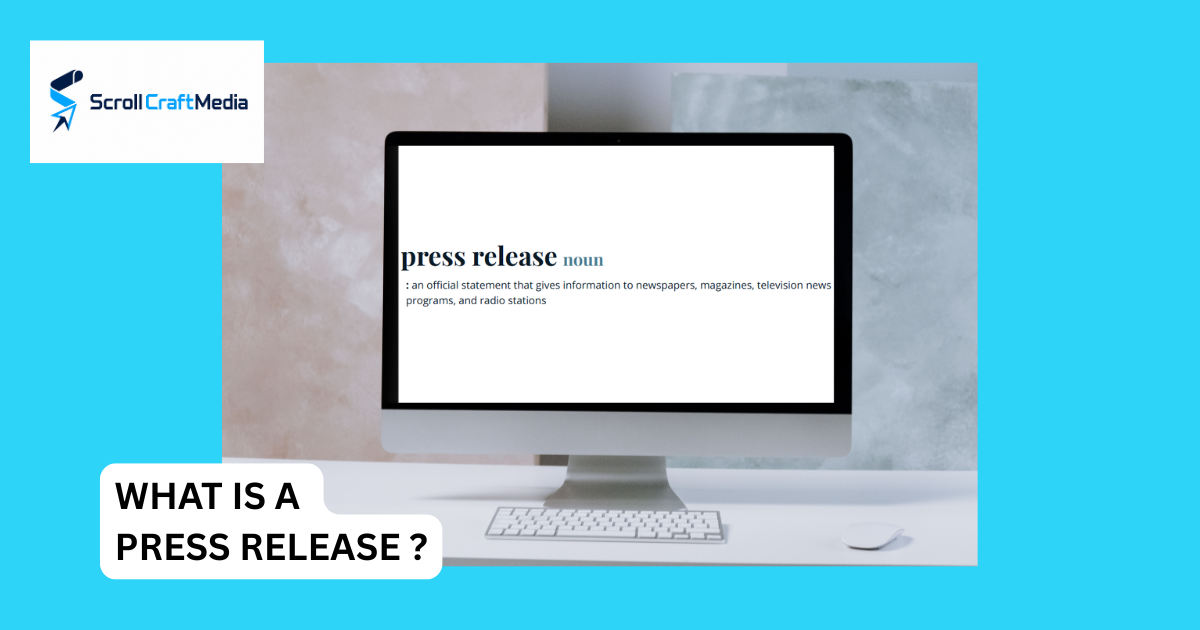
What Is a Press Release
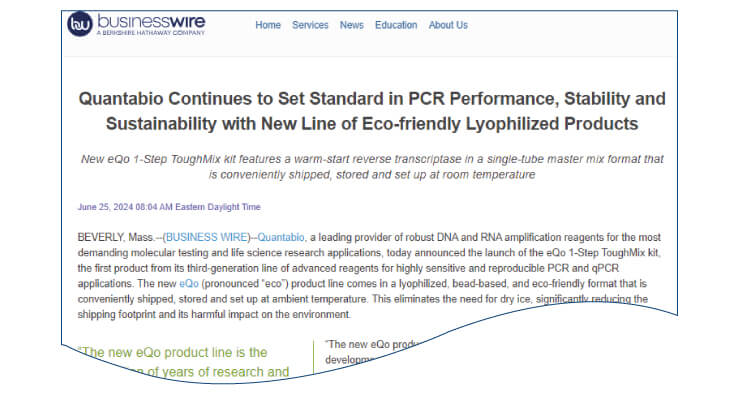
A press release is a formal way of sharing newsworthy information with the public. It’s sent to journalists and media outlets with the goal of catching their interest enough that they cover the story themselves.
The entire point is to make an announcement appealing enough that the media wants to write about it, not just repost it. Getting that attention is what turns a company update into actual media coverage.
![What is a Press Release? [Press Release Definition]](https://scrollcraftmedia.com/wp-content/uploads/2026/08/WHAT-IS-A-PRESS-RELEASE-1.png)
Who Actually Uses Press Releases
Press Officers Rely on Them for Official Communication
Press officers use releases to put out official statements and announcements on behalf of their organization. Part of the job is shaping that information so it reads as genuinely newsworthy rather than internal messaging dressed up for the public.
Releases also give press officers a way to manage how their organization is perceived. Well-crafted messaging lets them control the narrative, which becomes especially important during a crisis, when getting accurate, timely information out quickly can shape public perception and limit damage.
It Reaches a Wide Audience
Through media outlets, a single release can reach a large and varied audience, sometimes across newspapers, TV, radio, and online news sites all at once. That kind of reach matters most when the news needs to travel quickly and widely, since broader distribution increases the odds of pickup and further sharing.
It Builds Instant Credibility
Coverage from a recognized outlet functions almost like a stamp of approval. People tend to trust news that comes through an established media source more than they trust the same message coming straight from a company’s own channels. That third-party validation is hard to manufacture any other way.
It's More Cost-Effective Than Advertising
Compared to traditional advertising, distributing a press release costs a fraction of the price, and any pickup by the media is essentially free coverage on top of that. This makes releases especially useful for businesses working with a tighter marketing budget.
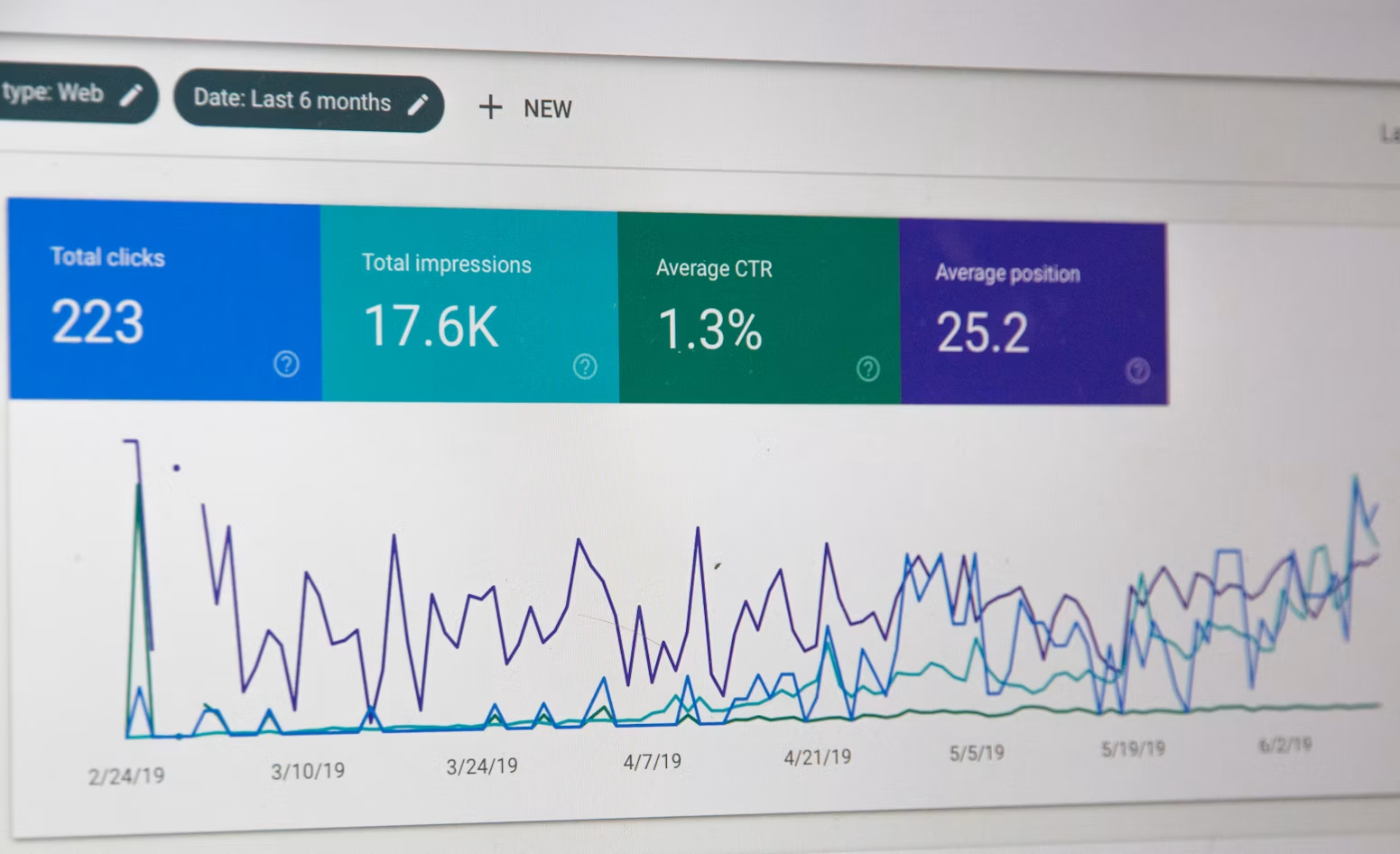
It Supports SEO
A press release built around the right keywords can improve visibility in search results and drive organic traffic to your site. Given how much discovery happens through search today, that added visibility is hard to ignore.
It Attracts New Customers
New product launches, service announcements, or company milestones shared through a release can catch the attention of people who’ve never interacted with your brand. A well-written release generates genuine interest, which tends to translate into inquiries and, eventually, sales.
What Makes a Press Release Actually Work
Everything starts with the format. A well-structured release lets a journalist quickly grasp the key message, locate important details, and decide whether the story is worth covering. Get the structure right, and the odds of pickup go up considerably.
Headline
The headline is the first thing anyone sees, so it needs to be clear and specific enough to make someone want to keep reading. It should summarize the news in a single line without resorting to hype.
Summary
A short overview beneath the headline, giving readers a quick sense of what the announcement covers before they commit to reading the full release.
Dateline
The release date and originating city, placed at the start of the body to establish when and where the news is coming from.
Body Paragraphs
The opening paragraph should answer who, what, when, where, why, and how, so the essential facts are visible even to a reader who only skims the top. From there, add context, supporting detail, quotes from key figures, and any relevant data that strengthens the story.
Boilerplate
A short, standard paragraph at the end of the release giving background on the company. Keep it brief and reuse the same version across every release.
Contact Information
A name, phone number, and email address so journalists know exactly who to reach if they want more information.
A few additional things worth keeping in mind:
- Make sure the news itself is genuinely timely, relevant, and interesting to your target audience, not just interesting to you.
- Use quotes from key people in the organization to add a human element and real perspective, not just enthusiasm.
- Give readers a clear next step, whether that’s visiting a page, attending an event, or reaching out directly.
How to Distribute a Press Release
Writing the release is only half the job. Getting it in front of the right people is what actually makes it work.
Emailing Media Contacts Directly
Building a list of journalists, editors, and bloggers who cover your industry takes research, whether through media databases, industry events, or direct outreach over time.
This route can be slow and comes with no guarantee of pickup, and your reach is limited to whoever’s on your list. That said, the relationships built through direct outreach tend to pay off with more consistent coverage down the line.
Promoting Through Social Media
Sharing a release across platforms like LinkedIn, X, and Facebook can extend its reach beyond traditional media, especially when the post is tailored to fit each platform’s tone and audience.
This approach demands ongoing engagement to work well, since it relies on interaction rather than a one-time push, and it’s generally less targeted than direct outreach or a distribution service. Still, the potential for organic sharing makes it worth including in the mix.
Using a Distribution Service
Distribution services push a release out to a wide network of media outlets, journalists, and newsrooms at once, often reaching national or even international audiences in a single submission.
The process usually involves creating an account, selecting a distribution package, and submitting the release. From there, the service handles getting it in front of a broad network, with options to target specific industries or regions depending on the package.
If you’d rather skip the manual outreach entirely, Scroll Craft Media offers press release distribution built around exactly this, from writing through to placement across a wide outlet network.
Final Thoughts
A press release only works if it’s built the right way from the start: newsworthy, well-structured, and aimed at the right audience. Once the writing is dialed in, distribution is what turns a good release into real coverage.
Ready to get your next announcement written and distributed? Scroll Craft Media can handle it end to end.
Related Blogs

Getting SEO Value From Press Releases
Press releases can still support your rankings, but the old link-stuffing approach is gone. Here's what actually works for press release SEO now.

How to Write a Press Release Step by Step
A practical breakdown of what a press release actually is, why brands still use them, and how to write and send one that gets picked up.